
Elegant Glassware, Elevated Kitchens | Get 10% OFF with Coupon Code SILI10

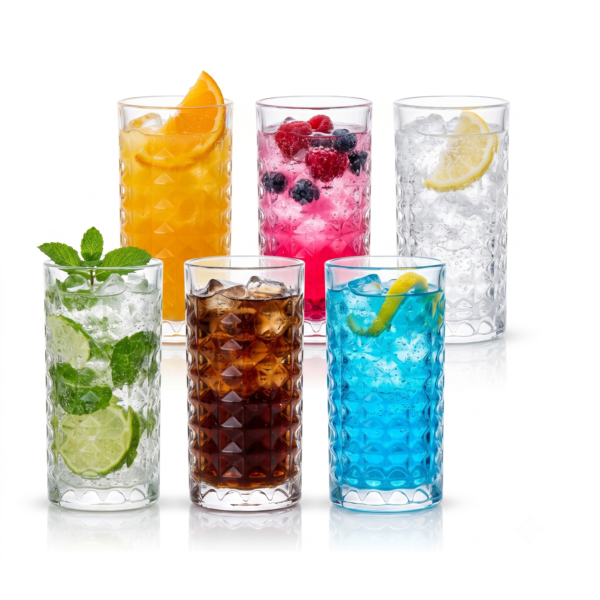
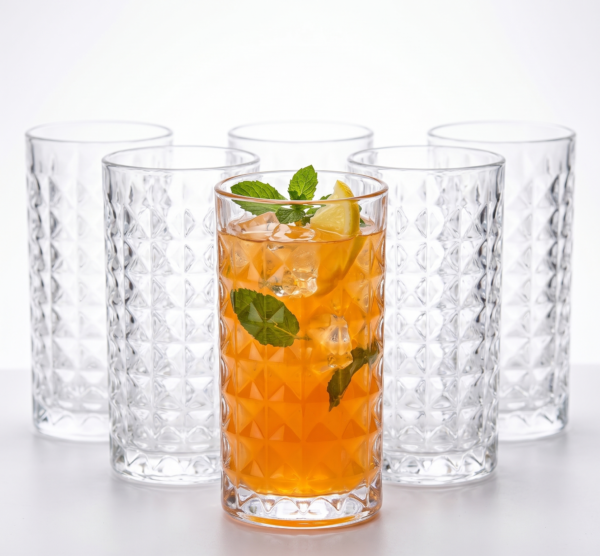
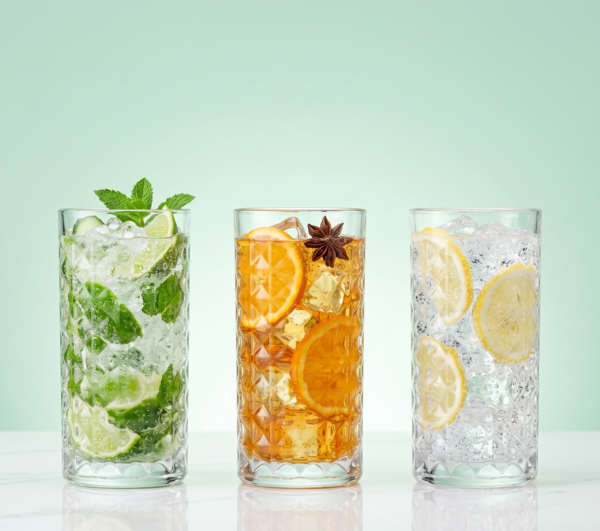
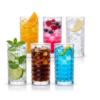
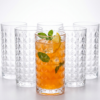
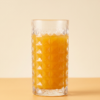
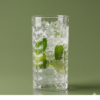
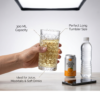
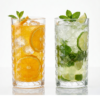
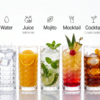
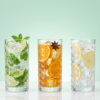
Highball Glass
Price range: ₹199.00 through ₹1,499.00
Highball Glass – 300 ml Tall Tumbler for Water, Juice, Cocktails and Mocktails
Last reviewed August 2026 by the Silicox glassware team · SKU SK002
Quick Answer
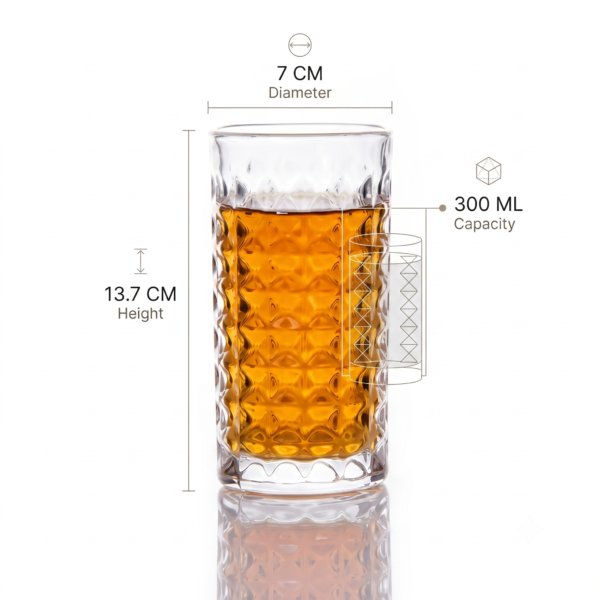
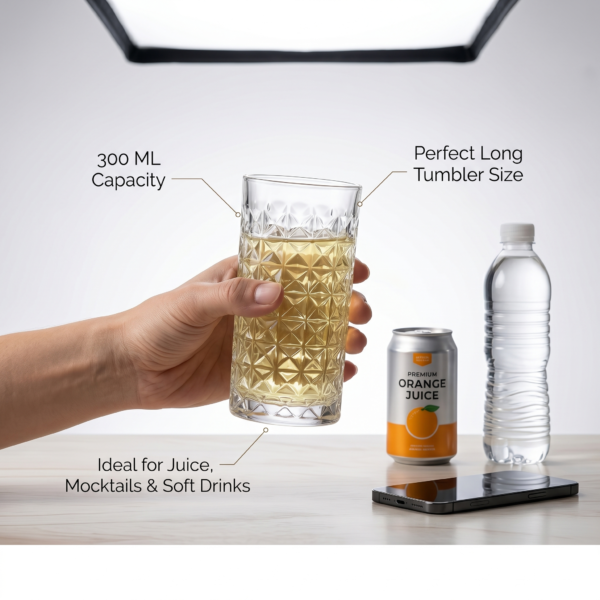
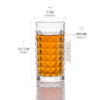
A highball glass is a tall, straight-sided tumbler for drinks served long over ice – water, juice, nimbu pani and chaas during the day, a gin and tonic or whisky soda in the evening. The category runs roughly 240-350 ml; the Silicox highball glass sits at 300 ml brim-full, 13.7 cm tall with a 7 cm rim, in food-grade soda-lime glass, dishwasher-safe on a standard cycle, in sets of 2, 6 and 12. It is a cold-drink glass by design – not for chai, coffee or the microwave.
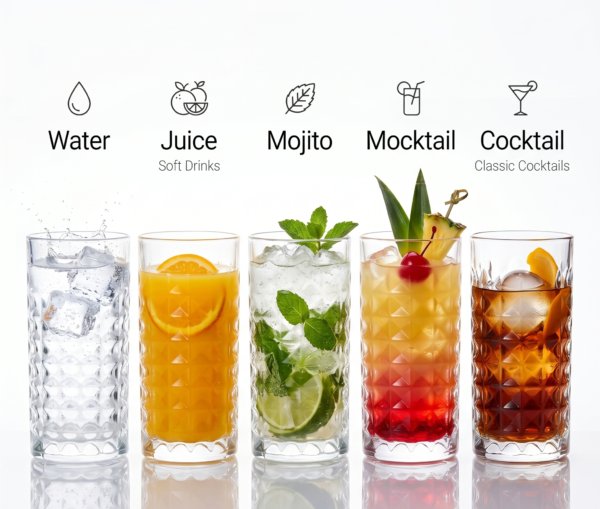
Ask five people what a highball glass is and you get five answers – the mixer glass, the water glass, “the tall one”, the glass the hotel used for a gin and tonic. All five are right, and that is the whole point of the shape. A highball is one of very few glasses that handles the ordinary and the occasional equally well: the same tumbler holds your morning juice and, twelve hours later, a whisky soda with ice to the top. This page covers what the shape actually does, how it differs from the lowball, Collins and rocks glasses it gets confused with, the mistakes that cost people a set within a year, and how to pick a size you will not regret.
Key takeaways:
- One 300 ml highball glass covers water, juice and mixed drinks – most homes do not need three separate sets.
- Brim-full capacity is 300 ml; the working pour with ice is about 240-260 ml. Compare glasses on the second number, not the first.
- Soda-lime glass is not heat-resistant. Chai and coffee belong in borosilicate, and any listing that says otherwise is selling, not specifying.
- Rim finish predicts how long a glass lasts far better than wall thickness does.
- Bulk quantities for cafes, restaurants, hotels and gift hampers are quoted at a discounted rate with GST invoicing available.
300 ml, 13.7 cm Tall
The everyday tall-glass size Indian homes, cafes and hotels default to
The everyday tall-glass size Indian homes, cafes and hotels default to
Food-Grade Soda-Lime Glass
BPA-free, lead-free and cadmium-free, with a plain untextured body
BPA-free, lead-free and cadmium-free, with a plain untextured body
Dishwasher-Safe, Everyday-Ready
Built for daily filling and washing, not a showpiece kept behind glass
Built for daily filling and washing, not a showpiece kept behind glass
Sets of 2, 6 and 12
A pair for a couple, six for a dining table, twelve for hosting and hampers
A pair for a couple, six for a dining table, twelve for hosting and hampers
Bulk & Business Orders
Discounted rate on volume for cafes, restaurants and hotels, GST invoice available
Discounted rate on volume for cafes, restaurants and hotels, GST invoice available
Specifications
Silicox Highball Glass (SK002) – Full Specifications
The numbers first, before any of the sales talk – including the two most listings leave out, working pour and rim diameter.
| Specification | Detail |
|---|---|
| Capacity (brim-full) | 300 ml |
| Comfortable pour with ice | Approx. 240-260 ml, leaving 1.5-2 cm of headroom |
| Height | 13.7 cm |
| Rim diameter | 7 cm |
| Material | Food-grade soda-lime glass |
| Profile | Straight-sided and untextured – no cut, facet or ribbed pattern |
| Safety | BPA-free, lead-free, cadmium-free |
| Dishwasher | Safe on a standard cycle, top rack |
| Refrigerator / freezer | Fridge-safe; brief freezer chilling is fine when the glass is empty and dry |
| Hot liquids & microwave | Not suitable – see the material guide below for the reason |
| Set sizes | 2, 6 and 12 glasses |
| Packaging dimensions | 23.5 x 17.5 x 12.5 cm |
| SKU | SK002 |
| Suited to | Home, cafe, restaurant, hotel, office pantry, festive and corporate gifting |
One correction worth making at the top of the page: soda-lime glass – what almost every affordable drinking glass in India is made from, this one included – is not heat-resistant the way borosilicate is. If a listing anywhere tells you a plain, thin-walled tumbler handles boiling liquid, treat that as marketing rather than material science. This is a cold and room-temperature drinks glass, and we would rather say so here than have you crack one in week two.
Key Features
What Defines This Highball Glass
Five design decisions, and what each one means once the glass is in daily use rather than in a photograph.
A 300 ml Body With Real Headroom
Brim-full capacity is 300 ml, and the practical pour is 240-260 ml once ice is in. That gap is deliberate. It is what lets a full glass be carried across a room, and what gives a standard 45-60 ml spirit measure room for a proper mixer top-up rather than a cautious splash.
Straight Sides, No Cut Pattern
A plain, untextured body is a choice rather than a missing feature. Smooth sides are what make a tumbler genuinely dishwasher-friendly and easy to line up on a shelf, where a faceted or diamond-cut glass usually asks for hand-washing to keep the pattern sharp. For the cut-glass look, the diamond-cut whisky glass is the piece to look at.
A Rim You Can Check With a Fingertip
The rim is the part you drink from and the part that chips first, so it is the part worth inspecting. An evenly finished rim feels smooth the whole way round with no ridge or catch – a thirty-second test that tells you more about a glass than any product description, ours included.
Shelf and Rack Friendly at 13.7 cm
Height decides whether a glass actually gets used. At 13.7 cm this one clears standard kitchen shelves and sits on a dishwasher top rack without fouling the upper spray arm – the practical reason tall tumblers in the 13-15 cm band stay in circulation while taller Collins-style glasses end up in a cupboard.
Inert, Neutral, Fully Recyclable Glass
Food-grade soda-lime glass holds no smell, no stain and no trace of yesterday’s drink, because it is non-porous. It is also completely recyclable and inexpensive enough to replace – which matters more in a glass that gets washed twice a day than any exotic material property would.
Before You Buy
What to Know Before Buying a Highball Glass
The shape is the obvious part. Capacity, finish and what the glass is replacing are what decide whether it gets used daily or once a month.
A Tall Glass Doing Two Jobs
Most glasses are built for one drink. A highball glass is built for two situations at once: enough room for a full pour of water or juice on its own, and enough spare capacity to take a measure of spirit, a generous mixer and ice without crowding the rim. Three hundred millilitres sits close to the middle of the accepted 240-350 ml range for exactly that reason – large enough to feel generous with water, small enough to stay comfortable in one hand.
Why This Size Became the Indian Default
There is a practical reason the same tall glass turns up in a Bandra cafe, an Ahmedabad banquet hall and half the kitchens in between. A standard restaurant water pour in India is around 200-250 ml. Fill a 300 ml glass to that level and you get a full-looking glass with a clean band of space above the liquid, so a server can carry it across a floor and a host can pour without hovering over the rim. Drop to 240 ml and you are refilling constantly. Go past 350 ml and the glass stops being easy to hold for anyone with smaller hands. Three pressures, one size where they meet.
One Set Instead of Three
If a kitchen currently runs a water-glass set, a separate juice set and “the good glasses” held back for visitors, a matched set of tall tumblers quietly retires all three. It looks tidy enough to bring out for guests and it is sturdy enough to refill three times before lunch. That is the real reason this shape became the standard tall glass in homes, cafes and hotel rooms rather than staying a specialist cocktail glass.
Brim-Full Capacity Is Not Serving Capacity
Every listing quotes the number a glass holds when filled to the very edge, because that is how glassware is measured. Nobody serves a drink that way. The number that matters is the working pour – here, 240-260 ml with ice – and it is the number to hold two listings against each other with. Two glasses both marked 300 ml can behave differently depending on how much of that volume sits in usable height rather than in a thick base.
| What to Check | Why It Matters |
|---|---|
| Capacity in millilitres | Decides whether it doubles as your water glass or only handles mixed drinks |
| Height against your shelf and dishwasher rack | A glass that does not fit where it lives quietly stops being used |
| Straight versus faceted sides | Straight sides clean up in a dishwasher; cut patterns usually want hand-washing |
| Named glass type | Soda-lime for daily cold drinks; borosilicate only if you need heat tolerance |
| Rim finish | An evenly finished rim is the single best predictor of how long a glass survives |
| Set size against how you host | Matches the table you actually set, with a margin for the ones that break |
The Reason It’s Tall
Why the Tall Shape Actually Works
Height is not styling – it changes how the drink behaves the moment ice goes in. Drop ice into a short, wide glass and the cubes spread out flat, each one surrounded by liquid on nearly every side, so they melt fast. Stack the same ice into a tall, narrow glass and the cubes sit in a column, touching each other more than they touch the drink. Less contact means slower melting, so a gin and tonic – or a glass of chilled nimbu pani on a 42-degree afternoon – stays cold instead of turning watery twenty minutes in.
The narrow opening does a second job. Carbonation escapes at the surface, so the smaller that surface is, the longer the fizz lasts. It is the same reason a champagne flute outperforms a wide coupe. If most of what you pour has ice or bubbles in it, the shape is earning its place.
The Pour Order Matters More Than People Expect
Ice first, filled properly to the top rather than half-heartedly. Then the spirit or the syrup. Then the mixer last, poured slowly down the inside wall of the glass. Most people do this in reverse, and pouring soda into a half-full glass agitates it enough to knock out much of the carbonation in the first ten seconds – which is why the same drink tastes sharp in a bar and flat at home. Filling the glass with ice properly matters too: a half-full glass of ice melts faster than a full one, because every cube has more warm liquid against it.
A standard highball build is roughly 45-60 ml of spirit topped with 120-180 ml of mixer over ice. A 300 ml glass takes that with room to spare, which is precisely the specification the shape was designed around.
Know the D
| Weight | N/A |
|---|---|
| Dimensions | N/A |
| Capacity | 300 ml |
| Material | Glass |
| Material Type Free | BPA Free, Lead Free |
| Number of Items | 12, 2, 6 |
| Occasion | Anniversary, Bachelor Party, Bachelorette Party, Bridal Shower, Cocktail Party |
| Recommended Uses For Product | Cafe, Celebrations, Gifting, Home, Hotels, Office, Restaurant, Shop |
| Size | Large |
| Special Features | Freezer Safe, Heat Resistant, Highball, Leak Proof, Lightweight |
| Specific Uses for Product | Cold Drinks, Hot Drinks, Juice, Water, Whisky |