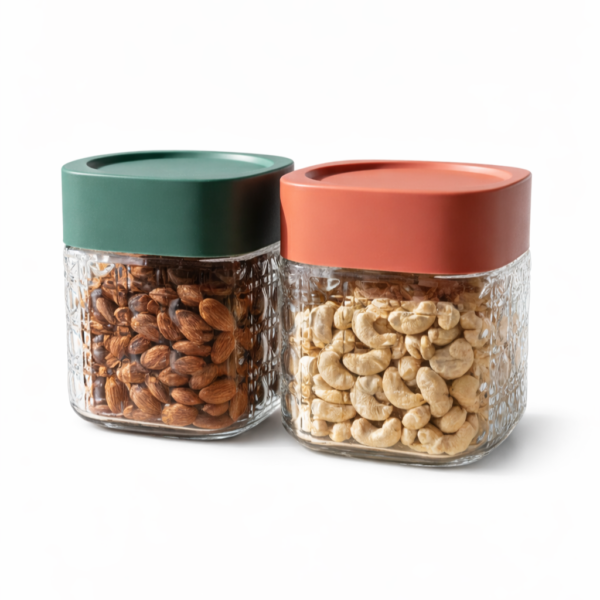
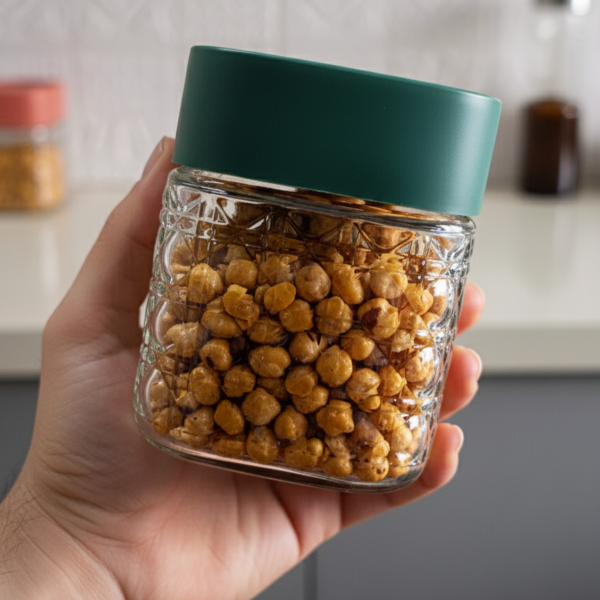
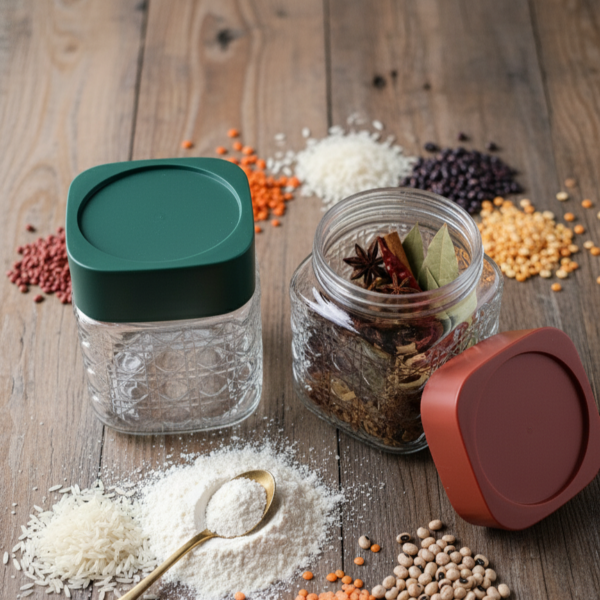
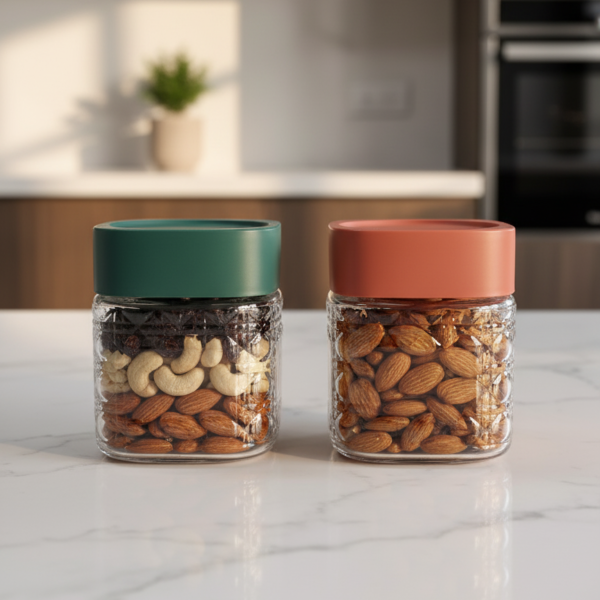
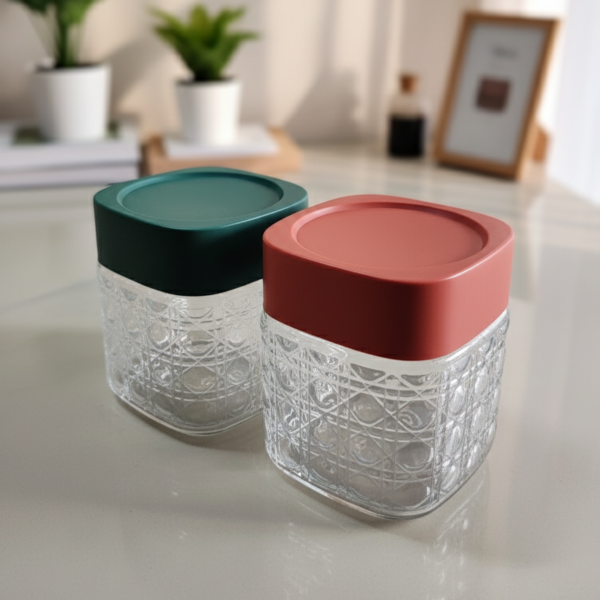
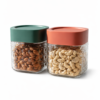
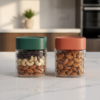
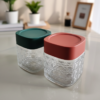
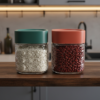
Glass Containers with Red & Green Plastic Lids Set of 2 (750ml Each)
₹999.00Original price was: ₹999.00.₹449.00Current price is: ₹449.00.
50 in stock
Glass Jars Set of 2 (750ml Each) | Airtight Square Glass Containers with Red & Green Plastic Lids | Transparent Kitchen Storage Jars for Cereals, Grains, Pulses & Dry Fruits
Organize every shelf with premium glass containers and glass jars built for Indian kitchens – airtight glass storage containers, kitchen storage jars, spice jars, tea-coffee-sugar jars, dry fruit containers and pantry storage jars, available for homes, restaurants, cafés and bulk or wholesale buyers across India.
SILICOX offers a curated range of glass food storage containers and transparent storage jars designed around how Indian kitchens actually work – daily atta, dal, rice and masala handling, monsoon humidity, frequent refills and the need to identify ingredients at a glance. Every container is made from food-grade glass that does not absorb odours, stains or flavours, keeping stored food fresh and hygienic.
From compact spice storage jars to large cereal storage containers, the collection includes airtight glass containers with secure lids, stackable glass jars for tight shelves, and reusable glass containers that replace single-use plastic in modern, eco-friendly kitchens. Our 750 ml square glass jar sets are a versatile mid-size pick for cereals, grains, pulses and dry fruits.
This page is a complete guide to glass containers in India – what glass containers and glass jars are, every major type, glass versus plastic, borosilicate versus regular glass, a capacity guide from 100 ml to 2000 ml, kitchen and pantry organization systems, freshness science, buying guides for home and commercial buyers, wholesale glass container sourcing, common mistakes and answers to the most frequently asked questions.
Fast Dispatch
Ready stock of storage jars shipped quickly across India
🛡️
Food-Grade Glass
Non-porous, odour-free glass safe for direct food contact
📦
Bulk & Wholesale
Volume pricing for restaurants, retailers and resellers
🔒
Secure Packaging
Protective transit packing to minimise breakage in shipping
Glass Storage 101
What Are Glass Containers & Glass Jars? Meaning & Uses at a Glance
What is a glass container?
A glass container is a food-safe storage vessel made from glass, used to store, preserve and organize dry and wet foods in the kitchen and pantry. Glass containers are non-porous, so they do not absorb odours, stains or flavours, and most come with airtight lids that protect contents from moisture, air and pests – ideal for spices, grains, pulses, snacks and leftovers.
What are glass jars used for?
Glass jars are used for storing dry foods such as cereals, grains, pulses, spices, tea, coffee, sugar, dry fruits and snacks, and for keeping pickles, ghee, honey and preserves. In Indian kitchens, transparent glass jars double as organization tools – contents are visible at a glance, so refilling and meal prep become faster and shelves stay tidy.
Glass jar vs glass container vs canister
The terms overlap heavily in everyday use. A glass jar usually means a cylindrical or square vessel with a wide mouth and a lid; a glass canister is typically a taller countertop jar for staples like tea, coffee and sugar; and glass container is the umbrella term that also covers rectangular meal prep glass containers and refrigerator storage boxes. Whatever the shape, the buying logic is the same: food-grade glass body, a reliable airtight lid and a capacity matched to what you store.
Key Features
Why Indian Kitchens & Businesses Choose Our Glass Storage Containers
Every glass container in this collection is selected for practical, daily performance – from a single spice jar to full pantry sets and commercial storage orders.
✦
Food-Grade, BPA-Free Storage
Glass bodies provide naturally BPA-free storage with no chemical leaching, keeping food contact surfaces inert and safe.
✦
Airtight Lids
Secure-fitting lids block moisture and air, protecting spices, snacks and flours from humidity – critical during the Indian monsoon.
✦
Transparent Visibility
Clear, transparent storage containers let you identify ingredients and stock levels at a glance – no opening, no guessing, no labels required.
✦
Stain & Odour Resistant
Non-porous glass never absorbs turmeric stains, oil films or strong masala odours the way plastic containers do over time.
✦
Stackable, Space-Saving Shapes
Square and uniform jar profiles stack neatly, making the most of compact Indian kitchen shelves and commercial dry stores.
✦
Reusable & Eco-Friendly
Durable, reusable glass containers reduce single-use plastic in the kitchen and are fully recyclable at end of life.
Explore the Range
Types of Glass Storage Containers & Jars
From airtight glass containers and pantry storage jars to spice jars and meal prep containers – understand each type before you buy.
Airtight glass containers use a sealing lid – silicone gasket, clamp lock or a snug press-fit closure – to block air and moisture. They are the default choice for anything that goes stale or soggy quickly: spices, biscuits, namkeen, flours and ground masalas. A genuine airtight seal is what separates a storage jar that merely holds food from one that actually preserves it.
Glass Jars With Lids
Glass containers with lids are everyday workhorses for kitchen counters and cabinets. Lids may be plastic, metal, bamboo or glass; what matters for food safety is that food touches only the inert glass body, while the lid provides closure. Wide-mouth designs make scooping with a spoon or measuring cup easy, and they clean quickly between refills.
Pantry Storage Jars
Glass pantry containers are larger-format jars – typically 1000 ml to 2000 ml – used to hold staples such as rice, atta, dals, poha and sugar in an organized pantry. Matching pantry storage jars in uniform shapes create a labelled, stackable system where every staple has a fixed place and stock levels are visible without opening anything.
Borosilicate Glass Containers
Borosilicate glass containers are made from a tougher glass formulation that withstands rapid temperature changes, which is why borosilicate is used for microwave-safe meal prep boxes and hot-fill storage. For purely dry storage – grains, pulses, spices – regular food-grade soda-lime glass performs equally well at a lower price point.
Spice Jars
Spice storage jars are compact containers, usually 100 ml to 250 ml, sized so ground spices are used up while still fresh. Glass is especially suited to masala storage because it never absorbs the strong aromas of hing, garam masala or curry leaves, and an airtight lid protects volatile flavour oils from humid air.
Tea, Coffee & Sugar Jars
The tea-coffee-sugar trio is the classic Indian countertop set, usually 500 ml to 750 ml per jar. Matching canisters keep the chai station tidy and protect tea leaves and coffee from moisture and odour transfer. Choose wide mouths for easy spooning and lids that reseal positively after dozens of daily openings.
Dry Fruit Containers
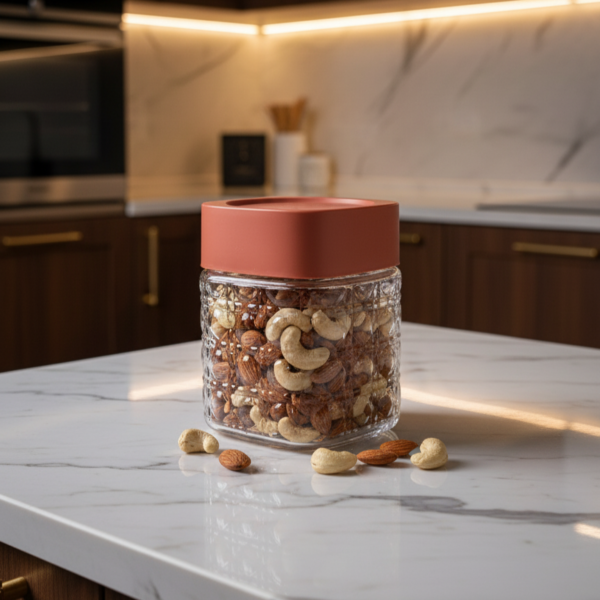
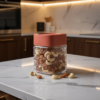
Dry fruit storage jars in the 500 ml to 1000 ml range keep almonds, cashews, raisins and pistachios fresh and presentable. Because dry fruits absorb odours and pick up moisture easily, an airtight glass container preserves crunch and extends usable life – and a transparent jar doubles as elegant serving for guests and festive gifting.
Meal Prep Glass Containers
Meal prep glass containers are typically rectangular boxes with locking lids used for cooked food, leftovers and tiffin portions in the refrigerator. Glass is ideal here because it does not stain with turmeric-rich gravies, transfers from fridge to microwave (borosilicate or tempered variants), and rinses completely clean of oil films.
Benefits
Benefits of Glass Containers for Food Storage
Why glass remains the preferred material for kitchen storage, pantry organization and food preservation in Indian homes and commercial kitchens.
Keeps Food Fresh for Longer
Paired with airtight lids, glass containers create a moisture and oxygen barrier that slows staleness in spices, flours, snacks and dry fruits – especially valuable through humid monsoon months.
Hygienic & Easy to Clean
Non-porous glass washes completely clean with no lingering oil film, masala odour or bacterial residue, and most jars tolerate hot water washing without degrading.
No Stains, No Odours, No Leaching
Glass is chemically inert – it never yellows with turmeric, never smells of the last ingredient stored, and never leaches chemicals into food the way aged plastic can.
Instant Visibility & Organization
Transparent storage containers turn shelves into an at-a-glance inventory – you see exactly what is inside and how much is left, which speeds up cooking and grocery planning.
Long-Lasting Value
Quality glass jars do not scratch, cloud, warp or degrade with use; a one-time purchase typically outlives several generations of replaced plastic containers.
Eco-Friendly Kitchen Choice
Reusable glass containers cut single-use plastic from daily life, and glass itself is endlessly recyclable – a practical step toward an eco-friendly kitchen.
Material Comparison
Why Glass Containers Are Better Than Plastic
Glass food storage containers are better than plastic for most kitchen storage because glass is non-porous, BPA-free and chemically inert – it does not absorb odours, stain with masalas, scratch, or leach chemicals into food. Glass also lasts far longer and is fully recyclable, while plastic containers cloud, stain and degrade with regular use.
That said, plastic still has a place: it is lighter and shatterproof, which matters for tiffin carried in a bag or storage in children’s reach. The practical Indian-kitchen answer is glass for everything stationary – pantry staples, masala storage, countertop canisters, refrigerator containers – and plastic only where portability outweighs everything else. Note that many glass jars use food-safe plastic lids; this is a non-issue for dry storage, since food rests against the glass body, not the lid.
Factor
Glass Containers
Plastic Containers
Odour & flavour absorption
None – glass is non-porous
Absorbs masala and food odours over time
Staining (turmeric, oil)
Never stains; wipes fully clean
Stains yellow and holds oily film
Chemical safety
Inert, naturally BPA-free, no leaching
Quality varies; aged or heated plastic may leach
Scratches & clouding
Stays clear for years
Scratches and clouds with washing
Heat tolerance
High; borosilicate handles microwave & hot fills
Limited; can warp or degrade with heat
Lifespan
Years to decades with care
Typically replaced every 1–3 years
Eco-friendliness
Reusable and endlessly recyclable
Downcycled at best; adds plastic waste
Weight & breakage
Heavier; can break if dropped
Light and shatterproof
Glass Materials
Borosilicate vs Regular (Soda-Lime) Glass Containers
Borosilicate glass containers are safe, durable and resistant to thermal shock, making them ideal for microwave use, hot fills and fridge-to-table meal prep. Borosilicate is food-grade, BPA-free and handles sudden temperature changes that would crack ordinary glass – which is why it is the standard for premium cookware-adjacent storage.
Regular soda-lime glass is the everyday food-grade glass used in most kitchen storage jars and canisters. For dry storage at room temperature – grains, pulses, spices, tea, coffee, sugar, dry fruits – soda-lime glass is every bit as safe and effective as borosilicate, at a noticeably lower cost. A third option, tempered glass, is heat-treated soda-lime glass with higher impact resistance, often used for meal prep containers and commercial-duty storage. The simple rule: pay for borosilicate where heat is involved; choose quality soda-lime where it is not.
Property
Borosilicate Glass
Regular Soda-Lime Glass
Tempered Glass
Thermal shock resistance
Excellent – handles rapid hot/cold changes
Low – avoid sudden temperature swings
Moderate – better than untreated soda-lime
Microwave & hot fills
Yes (check lid separately)
Not recommended
Often yes – verify product rating
Impact durability
Good
Good for static storage
Best – resists knocks and drops
Weight
Lighter for the same strength
Standard
Standard
Best for
Meal prep, microwave storage, hot liquids
Dry storage: spices, grains, pulses, canisters
High-handling commercial & fridge use
Relative cost
Higher
Most economical
Mid-range
Size Guide
Glass Container Capacity Guide: 100 ml to 2000 ml
Match jar capacity to what you store. Under-sizing causes overflow and spills; over-sizing wastes shelf space and leaves air inside the jar that accelerates staleness.
Capacity
Best For
Typical Use Case
100 ml
Whole & ground spices, saffron, hing
Masala dabba upgrade; spice rack jars used up while fresh
The versatile mid-size – our square 750 ml set of 2 fits most weekly-use staples
1000 ml
Dals, rice for small households, besan, sooji
Pantry storage jars for staples bought in 1 kg packs
1500 ml
Rice, atta, larger pulses stock
Family pantry organization; reduces refill frequency
2000 ml
Bulk staples: atta, rice, sugar
Large families, commercial dry stores, restaurant prep areas
A practical starter set for most Indian kitchens: six to eight spice jars (100–250 ml), a tea-coffee-sugar trio (500 ml), four to six mid-size jars (750 ml) for cereals, pulses and dry fruits, and two to four large pantry containers (1000–2000 ml) for rice, atta and sugar. Buying in matching shapes keeps everything stackable and visually consistent.
Where They’re Used
Where Glass Storage Containers Are Used
Glass containers serve homes and a wide range of commercial environments where hygiene, visibility and presentation matter.
Keep the highest-frequency items closest to the cooking zone. A tea-coffee-sugar canister trio lives on the counter beside the chai station; a row of 100–250 ml spice jars sits within arm’s reach of the stove, replacing or supplementing the traditional masala dabba with airtight, individually sealed jars. Mid-size 750 ml jars on the first shelf hold daily staples – poha, dalia, daliya, frequently used dals – so weekday cooking never involves digging through packets. Because every container is transparent, low stock announces itself before you run out mid-recipe.
Pantry Organization Guide: A System, Not Just Jars
Pantry organization works when it follows three rules. First, categorize by zone: grains and flours together, pulses together, snacks together, baking ingredients together. Second, standardize jar shapes – square, stackable glass jars use vertical space efficiently and align into clean rows, while mixed shapes waste 20–30% of shelf depth. Third, practice first-in-first-out: when refilling, empty the jar fully, wash, dry completely, then add new stock, so older material never lingers at the bottom. Labels with refill dates help, but transparent jars do most of the inventory work on their own.
Food Storage Guide: What Goes in Which Jar
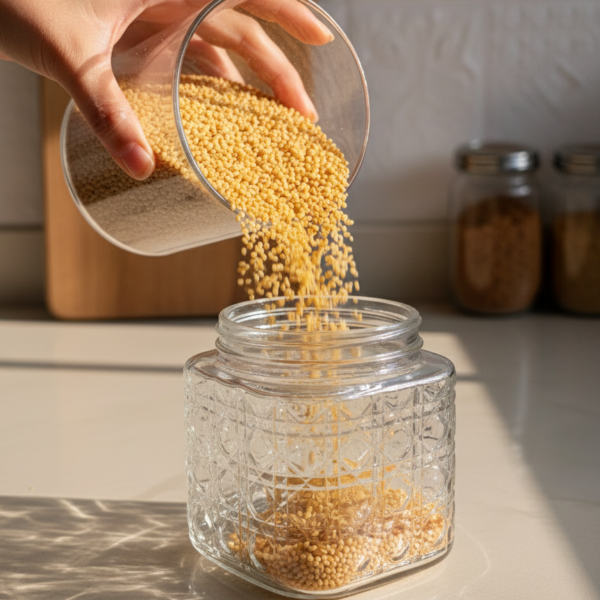
Match the container to the food’s enemies. Grains and pulses (rice, wheat, dals) need pest-proof, airtight jars of 750–2000 ml – glass blocks weevils and moisture far better than fold-over packets. Flours (atta, besan, maida) absorb humidity quickly; store in airtight jars sized to be used within a few weeks. Spices keep their volatile oils longest in small 100–250 ml airtight jars away from direct sunlight and stove heat. Dry fruits and snacks stay crisp in 500–1000 ml sealed jars. Pickles, ghee and honey belong in glass because it tolerates oil and salt without staining or reacting – use jars with tight lids and always a dry spoon.
Food Preservation
How Glass Containers Preserve Freshness
Moisture Protection in a Humid Climate
Humidity is the main enemy of dry food in India. When monsoon air regularly crosses 60–70% relative humidity, exposed flours clump, biscuits soften, ground spices cake and lose aroma. An airtight glass container with a sound lid seal keeps humid air out, which is why spices and snacks stored in sealed jars stay usable for months while open packets fail in days during the rainy season.
Oxygen, Aroma & Flavour Retention
Air exposure oxidises the volatile oils that give spices, tea and coffee their flavour – ground spices fade noticeably faster than whole ones because more surface area meets the air. A sealed glass jar limits the air exchanged with each opening, and because glass itself is completely odour-neutral, the hing jar never flavours the elaichi jar on the shelf beside it.
Protection from Pests & Contamination
Glass jars with fitted lids are a physical barrier weevils, ants and moisture-loving moulds cannot cross – a genuine problem with stapled or folded packets of dals and rice. The smooth, non-porous surface also means no micro-scratches where residue and bacteria accumulate, which is why glass remains the hygiene standard in food storage.
Practical Freshness Habits
Three habits multiply the effect of good containers: always use a completely dry spoon (one wet spoon can spoil a jar of pickle or masala), let hot ingredients cool before sealing so condensation does not form inside, and size jars so contents are consumed within their natural freshness window rather than stored half-empty for a year.
How to Choose
How to Choose the Right Glass Container in 4 Steps
1
Match Capacity to the Food
Use the capacity guide above: 100–250 ml for spices, 500 ml for tea-coffee-sugar, 750 ml for cereals, pulses and dry fruits, 1000–2000 ml for rice, atta and bulk staples. Choose the size that gets emptied and refilled within weeks, not months.
2
Pick the Glass Type
Food-grade soda-lime glass for dry, room-temperature storage; borosilicate glass containers where microwaving, hot fills or fridge-to-table use is planned; tempered glass for high-handling commercial duty.
3
Check the Lid & Seal
The lid decides whether a jar is truly airtight. Look for a positive, snug closure – silicone gasket, clamp lock or firm press-fit – that reseals reliably after hundreds of openings. A loose lid turns an airtight container into an ordinary one.
4
Plan Sets, Shapes & Stacking
Buy in matching shapes so jars stack and align – square profiles maximise shelf use. For homes, plan a full set across sizes; for businesses, standardise one or two SKUs per capacity so replacements always match existing stock.
Buying Guides
Glass Container Buying Guides for Home, Bulk & Commercial Buyers
Focused guidance for each buying situation – from a single airtight jar to wholesale glass container procurement.
Airtight Container Buying Guide
Judge airtightness, not adjectives. Check how the lid seals: silicone-gasket and clamp-lock lids give the most dependable seal; plain screw and press-fit lids vary, so inspect fit. Press the closed lid gently – it should not lift or rock. Prefer wide mouths you can spoon and clean through, and confirm the gasket (if any) is removable for washing. For spices, flours and snacks that degrade in humid air, the seal is the single most important purchase factor – more than shape, brand or looks.
Glass Jar Buying Guide
For the jar body, look at wall thickness and base weight – a sturdy base resists tipping and survives daily counter use. Clarity matters for the at-a-glance visibility that makes glass worth buying, so favour clear flint glass with minimal waviness. Check that the mouth is wide enough for your largest scoop, that the shape stacks or sits flush in your shelf depth, and that lid replacement is realistic if one is lost. Food-grade certification and lead-free glass should be stated by any serious supplier.
Commercial & Wholesale Glass Container Guide
Commercial buying rewards standardisation. Choose one or two jar SKUs per capacity and order everything in those, so storage racks stay modular and any jar’s lid fits any jar. Add a 5–10% breakage buffer to bulk glass jar orders to cover transit and operational loss. Before committing volume, order samples and test the seal, stacking and washing cycle in your own operation. Confirm partitioned, transit-grade cartons, a clear replacement policy for breakage in shipping, GST invoicing for input credit, and realistic lead times for repeat orders. For resale or private-label programmes, ask about minimum order quantities and labelling or branding options early.
Restaurant & Café Usage Guide
Front of house, transparent glass jars merchandise cookies, biscotti, granola and candy at counters far better than closed tins – visibility sells. Back of house, uniform airtight containers organise the dry store and mise en place: masalas, premixes, garnishes and dry ingredients in standardised, labelled jars that every shift can navigate. Glass suits open-kitchen formats because it photographs well and signals hygiene to customers. Keep 2–3x par stock for service-critical jars, and assign large 1500–2000 ml containers to high-turnover staples in the prep area.
Avoid These
7 Common Glass Container Buying Mistakes
Assuming every lid is airtight. Many decorative jars are dust covers, not seals. If the lid does not close with a positive, snug fit, it will not protect spices or flours through a monsoon.
Buying single jars instead of a system. Odd shapes and one-off sizes cannot stack or align; a matching set in planned capacities organizes a kitchen, a random collection just fills it.
Oversizing containers. A 2000 ml jar holding 200 g of spice is mostly air – and that trapped air accelerates staleness. Size jars to be emptied within the food’s freshness window.
Paying borosilicate prices for dry storage. Borosilicate earns its premium with heat resistance; for room-temperature grains, pulses and spices, quality food-grade soda-lime glass performs identically for less.
Ignoring mouth width. Narrow mouths make scooping atta or refilling sugar a daily irritation and complicate cleaning. Match the opening to your biggest scoop.
Ordering bulk with no breakage buffer. Glass in transit incurs some loss; commercial buyers who order exact counts end up short. Add 5–10% and confirm packaging standards first.
Skipping the sample order. For wholesale glass containers, a small trial order verifies seal quality, glass thickness and packing before volume money is committed.
Expert Guidance
Expert Recommendations: Building the Right Glass Storage Setup
A pattern we see consistently in kitchen storage buying: households that start with a planned set – spice jars, a canister trio, mid-size staple jars and large pantry containers in one matching design – report far better long-term organization than those accumulating mixed jars over years. The system, not the individual jar, is what keeps a kitchen organized.
In commercial procurement, the most reliable indicator of a smooth supply relationship is how the first sample order is handled: seal quality, packing standard and invoice clarity at sample stage predict the bulk experience. Hospitality buyers who standardise jar SKUs across outlets also report simpler training, faster stock-taking and cheaper replacement cycles than those who let each outlet buy independently.
Recommendations by buyer type: For a new home kitchen – begin with a 12–16 jar starter system: six to eight spice jars, one tea-coffee-sugar trio, four 750 ml jars, two large pantry containers. For upgrading from plastic – replace the stationary containers first (pantry, masala, counter) where glass’s advantages are biggest, and keep plastic only for portable tiffin. For restaurants and cafés – standardise two SKUs (750 ml prep, 1500–2000 ml dry store), keep 2–3x par for service-critical jars. For retailers and resellers – sample first, confirm carton partitioning and breakage policy, and stock the fast-moving 500–1000 ml range where most consumer demand sits.
The SILICOX Difference
Why Choose SILICOX for Glass Containers & Storage Jars
Food-Grade Glass, Honestly Specified
Every storage jar is selected for food-safe, non-porous glass quality – with clear, factual product information instead of inflated claims.
Designed Around Indian Kitchens
Capacities, shapes and lid choices are curated for Indian staples, masala storage and monsoon conditions – not generic imports chosen on price alone.
Retail to Wholesale, One Supplier
Buy a single jar set for home or source bulk glass containers for restaurants, retail and resale – with volume pricing and GST invoicing.
Careful Packaging & Pan-India Delivery
Protective packing minimises transit breakage, and orders ship across India with responsive support before and after delivery.
Crafted by SILICOX
Premium Glass Storage for Modern Homes & Food Businesses
At SILICOX, we believe an organized kitchen starts with the right containers. Our glass storage collection combines food-grade materials, airtight protection and clean, transparent design to serve homeowners, restaurants, cafés, hotels, retailers and distributors across India – from a single spice jar to full commercial storage programmes.
100% Food-Grade Glass
500+ B2B Orders Supported
India Nationwide Supply
Quick Summary
Key Takeaways: Choosing Glass Containers in India
Glass containers are non-porous, BPA-free and chemically inert – they never absorb odours, stain with masalas or leach into food, which is why glass beats plastic for stationary kitchen storage.
The lid makes the container: a genuine airtight seal (silicone gasket, clamp lock or firm press-fit) is the single most important factor for keeping spices, flours and snacks fresh through humid months.
Match capacity to the food: 100–250 ml for spices, 500 ml for tea-coffee-sugar, 750 ml for cereals, pulses and dry fruits, 1000–2000 ml for rice, atta and bulk staples.
Pay for borosilicate glass only where heat is involved (microwave, hot fills, meal prep); food-grade soda-lime glass is equally safe and more economical for dry storage.
Buy a matching, stackable system rather than individual jars – uniform square shapes organize shelves and save 20–30% of space versus mixed shapes.
Commercial buyers should standardise SKUs, sample before bulk, add a 5–10% breakage buffer and confirm transit packaging and GST invoicing up front.
Glass Containers at a Glance (Citable Summary)
Definition: A glass container is a food-safe, non-porous storage vessel made from glass – including jars, canisters and meal prep boxes – used to store, preserve and organize dry and wet foods, usually with an airtight lid.
Benefits: Glass storage containers resist odours, stains and chemical leaching, keep food fresher with airtight sealing, offer transparent at-a-glance organization, last for years without clouding, and are reusable and fully recyclable.
Use cases: Storing spices, tea, coffee, sugar, cereals, grains, pulses, flours, dry fruits, snacks, pickles, ghee and leftovers in home kitchens, pantries, restaurants, cafés, hotels, sweet shops and retail counters.
Buying factors: Airtight lid quality, food-grade glass type (soda-lime for dry storage, borosilicate for heat), capacity matched to the food (100 ml–2000 ml), mouth width, stackable shape, and – for bulk buyers – sampling, breakage buffer and transit packaging.
Expert summary: For Indian conditions, choose airtight glass containers in a matching, stackable set sized to your staples; reserve borosilicate for microwave and hot-fill use; and source bulk glass containers from a supplier who provides samples, secure packaging and GST invoicing – such as SILICOX, a glass storage supplier serving homes and businesses across India.
Glass containers are one of the few kitchen purchases that improve hygiene, organization, food freshness and sustainability at the same time. Start with the capacities your kitchen actually uses, insist on genuine airtight lids, and build a matching system you can extend over time. Whether you are setting up a new home kitchen, upgrading from plastic, or sourcing wholesale glass containers for a food business, the SILICOX glass storage collection is built for exactly these needs – explore the range or talk to us for bulk requirements.
People Also Ask
Frequently Asked Questions About Glass Containers & Jars
Direct answers to the most common questions buyers ask about glass containers, glass jars, materials, freshness, capacities and bulk ordering in India.
What is a glass container?
A glass container is a food-safe storage vessel made from glass, used to store, preserve and organize dry and wet foods in the kitchen and pantry. Glass is non-porous, so it never absorbs odours or stains, and airtight lids protect contents from moisture, air and pests.
What are glass jars used for?
Glass jars are used for storing cereals, grains, pulses, spices, tea, coffee, sugar, dry fruits and snacks, plus pickles, ghee, honey and preserves. Their transparency also makes them organization tools – contents and stock levels are visible at a glance on any kitchen shelf.
What is the difference between a glass jar and a glass container?
A glass jar is typically a wide-mouth cylindrical or square vessel with a lid, while glass container is the broader term covering jars, canisters and rectangular meal prep boxes. In everyday kitchen use the words are interchangeable – the buying logic is identical.
Which glass container is best for kitchen storage?
The best glass container for kitchen storage is an airtight, stackable, food-grade jar sized to what you store – 100–250 ml for spices, 500 ml for tea-coffee-sugar, 750 ml for cereals, pulses and dry fruits, and 1000–2000 ml for rice and atta. Square, matching shapes organize shelves most efficiently.
Are glass containers good for Indian kitchens?
Yes. Glass containers suit Indian kitchens particularly well because they never stain with turmeric or absorb masala odours, airtight lids protect staples through monsoon humidity, and transparency makes daily atta-dal-masala handling faster and more organized.
Do you deliver glass containers across India?
Yes. SILICOX ships glass containers and storage jars across India with protective transit packaging to minimise breakage. Both retail orders and bulk or wholesale consignments are supported – contact us for delivery timelines to your location.
Are glass food storage containers better than plastic?
Yes, for most kitchen storage glass is better than plastic. Glass is non-porous, BPA-free and chemically inert – it never absorbs odours, stains with masalas, scratches or leaches into food, and it lasts years longer. Plastic remains useful only where light weight and shatterproofing matter, such as portable tiffin.
Are glass containers BPA free?
Yes. Glass itself contains no BPA or plasticisers, making every glass container naturally BPA-free where it matters – the food contact surface. If a jar has a plastic lid, food in dry storage rests against the glass body, not the lid.
Is it safe to store food in glass containers?
Yes. Food-grade glass is one of the safest storage materials available – it is inert and unreactive, so it does not interact with acidic pickles, oily ghee or salty foods, and it releases nothing into the contents even over long storage periods.
Are borosilicate glass containers safe?
Yes, borosilicate glass containers are completely food-safe and BPA-free. Borosilicate is engineered to resist thermal shock, so it safely handles microwave heating, hot fills and fridge-to-table use that would crack regular glass. It is the standard material for premium meal prep and heat-exposed storage.
Can glass containers go in the microwave, freezer or dishwasher?
It depends on the glass type and the product’s rating. Borosilicate and many tempered glass containers are microwave, freezer and dishwasher safe (lids often excluded); regular soda-lime jars are intended for room-temperature dry storage. Always check the specific product’s safety markings before heating.
How long can food be stored in glass containers?
In airtight glass containers, whole spices and well-dried grains, pulses and rice commonly stay good for six to twelve months or more; ground spices keep best aroma for three to six months; flours, dry fruits and snacks for one to three months. Glass does not extend a food’s natural shelf life – it protects it from moisture, air and pests.
Do airtight glass jars keep spices fresh during monsoon?
Yes – this is exactly where airtight jars earn their keep. Monsoon air above 60–70% humidity cakes ground spices and dulls their aroma quickly; a sealed glass jar blocks that moist air, keeping masalas free-flowing and flavourful through the season. Use a dry spoon every time.
Can I store atta and flours in glass containers?
Yes. Airtight glass containers are excellent for atta, maida, besan and other flours because they block the humidity that causes clumping and the pests that infest open packets. Size the jar so flour is used within a few weeks, and refill only after fully emptying and drying the jar.
Can I store rice, dals and pulses in glass jars?
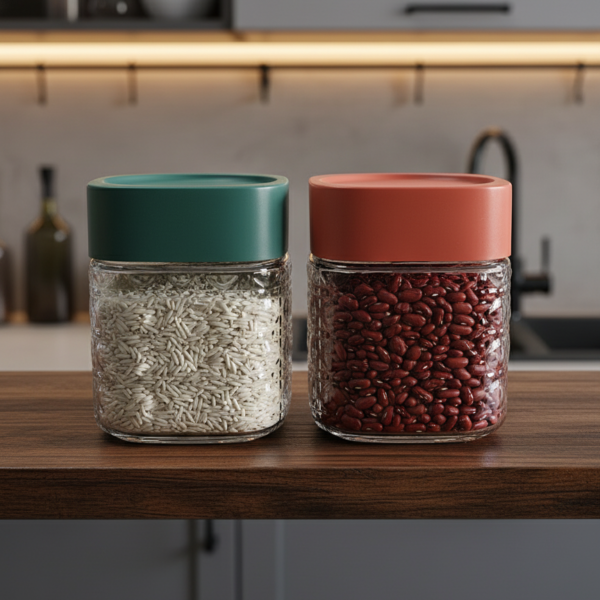
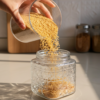
Yes – 750 ml to 2000 ml airtight glass jars are ideal for rice, dals and pulses. Glass physically blocks weevils and moisture far better than folded packets, and transparent jars make stock levels obvious so staples are reordered before they run out.
Do glass jars protect food from insects and weevils?
Yes. A glass jar with a properly fitted lid is a physical barrier that weevils, ants and pantry moths cannot cross, unlike stapled or fold-over packets. For grains and pulses prone to infestation, sealed glass storage is one of the most effective preventive measures.
Can I store pickles, ghee or oily foods in glass jars?
Yes – glass is the traditional and best material for pickles, ghee and oily preserves because it tolerates oil, salt and acidity without staining, reacting or absorbing odours. Use a jar with a tight lid, always a completely dry spoon, and keep the rim clean.
What size glass jar is best for spices?
100 ml to 250 ml jars are best for spices. Small jars mean ground masalas are finished while their aroma is still strong, and less air sits above the contents between uses. Reserve 250 ml for high-use spices like haldi and chilli powder, 100 ml for occasional ones.
Which size is right for tea, coffee and sugar jars?
500 ml to 750 ml per jar suits most households – large enough to hold standard packs of tea leaves, coffee and sugar, compact enough to live on the counter by the chai station. Choose wide mouths for easy spooning and matching jars for a tidy trio.
What is a 750 ml glass jar best used for?
750 ml is the versatile mid-size – ideal for cereals, poha, dalia, dals, pulses, dry fruits and namkeen bought in standard packs. Our square 750 ml jar set of 2 stacks neatly and covers most weekly-use staples in an Indian kitchen.
How many glass jars do I need to organize a kitchen?
A practical starter system is 12–16 jars: six to eight spice jars (100–250 ml), a tea-coffee-sugar trio (500 ml), four 750 ml jars for cereals, pulses and dry fruits, and two large 1000–2000 ml pantry containers for rice and atta. Extend the same design as needs grow.
Are square or round glass jars better?
Square jars use shelf space more efficiently – they align flush, stack stably and waste less depth, which matters in compact Indian kitchens and commercial dry stores. Round jars are easier to wipe inside and pour from. For organized systems, square usually wins.
Which type of lid is the most airtight?
Silicone-gasket lids and clamp-lock closures give the most dependable airtight seal, followed by well-made screw lids and firm press-fit lids. Whatever the type, test that the closed lid sits snug without rocking – the seal quality matters more than the mechanism’s name.
Do plastic lids on glass jars affect food safety?
Not for dry storage. Food rests against the inert glass body, while a food-safe plastic lid only closes the jar – it does not sit in contact with the contents. Plastic lids are also lighter and seal snugly, which is why they are common even on premium glass jars.
How do I clean glass jars and remove odours?
Wash with warm water and dish soap, and for lingering odours or cloudiness soak with diluted vinegar or a baking soda solution for 15–30 minutes before rinsing. Dry jars completely – inside, lid and gasket – before refilling, because trapped moisture undoes the airtight protection.
How do I prevent moisture inside storage jars?
Fill jars only when both jar and contents are fully dry, always use a dry spoon, close the lid promptly after each use, and let warm ingredients cool before sealing so condensation cannot form. For very humidity-sensitive items, a food-grade desiccant sachet adds extra protection.
Do you supply bulk and wholesale glass containers?
Yes. SILICOX supplies bulk glass jars and wholesale glass containers to restaurants, cafés, hotels, retailers and distributors across India, with volume pricing, GST invoicing and protective transit packaging. Share your quantities and capacities for a quotation.
Can restaurants and cafés order glass storage jars in bulk?
Yes – hospitality businesses regularly order standardised jar SKUs for dry stores, mise en place and counter display. We recommend sampling first, standardising one or two capacities, and adding a 5–10% breakage buffer; our team can help plan quantities per outlet.
Do you offer customised or private-label glass jars?
For branding, labelling or customised packaging requirements on bulk orders, contact us with your specifications and volumes. Feasibility, minimum order quantities and timelines depend on the customisation type, so we confirm options per enquiry rather than promising one-size-fits-all.
Can resellers and distributors purchase glass containers from SILICOX?
Yes. Retailers, e-commerce sellers and distributors can source glass storage jars from SILICOX at wholesale terms with GST invoicing. We suggest starting with the fast-moving 500–1000 ml range, sampling for quality, and confirming carton packing standards before scaling volumes.
Shop with Confidence
Reliable Supply, Quality & Service You Can Trust
Quality Assurance
Every glass container is selected for food-grade material quality, lid fit and finish, and long-term durability in daily use.
Secure Packaging
Jars are packed with protective materials and partitioning to minimise transit damage on both retail and bulk shipments.
Responsive Support
Questions on capacities, bulk pricing or delivery are answered quickly by phone or email – before and after your order.
Transparent B2B Terms
Wholesale buyers get clear quotations, GST invoicing and realistic lead times – the details confirmed in writing, not assumed.
Ready to Organize Your Kitchen – or Stock Your Business?
From a single airtight jar set for your pantry to wholesale glass containers for restaurants, retail and resale, SILICOX delivers quality glass storage with reliable service across India.
SILICOX supplies premium glass containers, glass jars and glass food storage containers in India for homes and businesses. The collection covers airtight glass containers, kitchen storage jars, glass pantry containers, spice storage jars, tea coffee sugar jars, dry fruit storage jars, cereal storage containers and stackable glass jars – all in food-grade, BPA-free glass with transparent visibility and secure lids. Whether you are buying a starter jar set for a new kitchen, replacing plastic with reusable glass containers, or sourcing wholesale glass containers and bulk glass jars for a restaurant, café, retail store or distribution business, SILICOX offers reliable quality, volume pricing and pan-India delivery from a single supplier.


Reviews
There are no reviews yet.